Hi all, and welcome to Meditation Monday! Today, I want to explore the concepts of the “meditative state” and “finding your center.” I’m no expert, but I’ve been on my own meditation journey, and I’d love to share some personal insights on these topics that once puzzled me.
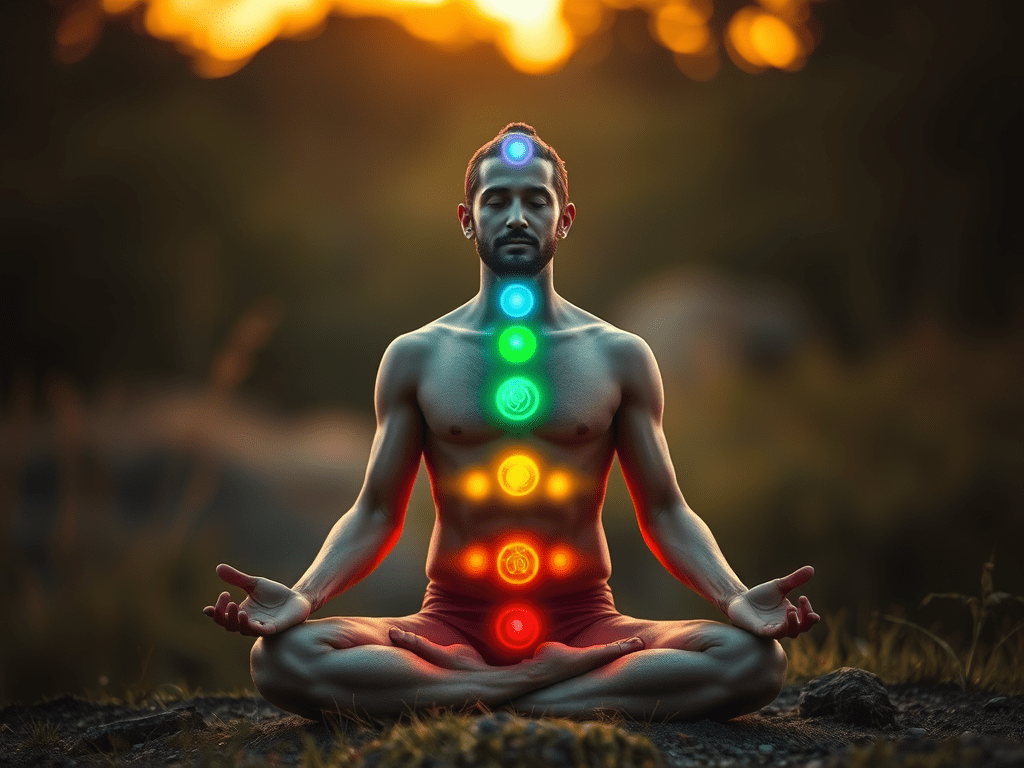
The Meditative State
When I first started meditating, I didn’t understand what a “meditative state” was. It’s often mentioned in guided meditations—phrases like “find your center” or “reach your meditative state” were common. But what does that really mean? I wrestled with this for a while until I discovered that a meditative state is deeply personal—it’s not something easily defined by someone else.
For me, a meditative state can feel like two different things. Sometimes, it’s a heightened awareness of my surroundings. Other times, it’s a deeper awareness of something internal, like a calmness or clarity that helps me let go of the chaos in my mind. It’s the feeling of being awake yet incredibly relaxed—almost as if I’m asleep but still aware. I compare it to how elves meditate in fantasy worlds like Dungeons & Dragons—deeply relaxed but easily roused, a state where one is calming and recharging yet not fully asleep.
When I first started, I didn’t intentionally achieve this meditative state. It happened during a guided meditation, but I didn’t recognize it for what it was. Over time, as I moved away from guided sessions, I began seeking that same calm feeling on my own. I realized that meditation was like hitting a “reset” button for me—almost like waking up from a nap but without actually sleeping. And this reset doesn’t just relax me; it helps me distance myself from emotions, allowing me to focus inward.
I wouldn’t say I can reach this state on command, but when I do, it makes a huge difference in my day. Especially on rough days, reaching that meditative state helps me feel more balanced by the end. I can start over mentally, even if the day started badly. That’s why I think it’s essential for anyone on a meditation journey to figure out what their meditative state feels like and how to tap into it.
Finding Your Center
Now, let’s talk about “finding your center,” a concept that stumped me for years. Guided meditations often mention it, but I didn’t fully grasp what it meant at first. I used to think my center had to be a specific physical spot, like my stomach or heart. But those areas didn’t resonate with me. My stomach would often distract me during meditation, and focusing on my heart felt… off—like it wasn’t the right spot for my calmness to originate.
I finally found my center during a meditation that involved visualization. The meditation had me envision a metal flake drifting down a lake, slowly settling at the bottom. During this exercise, I noticed a warmth and settling feeling in a general area of my body, yet not tied to a specific organ or body part. It was roughly where my diaphragm was located, near the base of my breath. That’s where I feel grounded when I’m deep in meditation, although it’s not always in that spot.
Interestingly, my center shifts depending on my emotional state. When I’m anxious, it moves upwards, closer to my sternum. This realization led me to develop a visualization technique I call “mana breathing.” Inspired by the fantasy world I was writing about at the time, I started imagining my breath as magical energy—like mana flowing through a mage. It helped me focus on finding my center and became a reliable way for me to reach that meditative state. To read a fiction passage on mana breathing, check out my Fiction Friday post on mana breathing.
Mana Breathing and Personal Techniques
Creating my own technique made a big difference in my meditation practice. Mana breathing works for me because it taps into my imagination, blending fantasy with meditation. I’ll share the specifics of this technique in a future post (in a non-fantasy setting). The key takeaway is that creating your own practice—tailoring meditation towards yourself as an individual—can be incredibly helpful.
While I’m a person of science, this experience taught me that it’s okay to rely on imagination and creativity in meditation (as well as in life). There’s no one-size-fits-all method. You don’t need to follow rigid rules—just experiment, and as you get to know your body better, modify the practices to fit your needs. For me, slightly changing the meditation practices I learn is the most effective way to reach that calming meditative state and find my center.
Final Thoughts
Don’t be discouraged if you’re struggling to find your meditative state or center. It took me years to figure it out, and I don’t always reach it perfectly, even now. But the beauty of meditation is that it’s a journey, not a destination. Your experience will be unique, and that’s exactly how it should be.
For anyone with a big imagination—whether you’re into science or storytelling—it’s okay to use your creativity to guide you through meditation. There’s no right or wrong way to meditate, as long as it works for you. Finding your center and reaching a meditative state can be deeply personal, but with time and practice, you’ll discover what resonates best with you.
Wishing you all a creative and calming Monday,
B.R. Quinn


 B.R. Quinn