Hi all, and welcome to Meditation Monday!
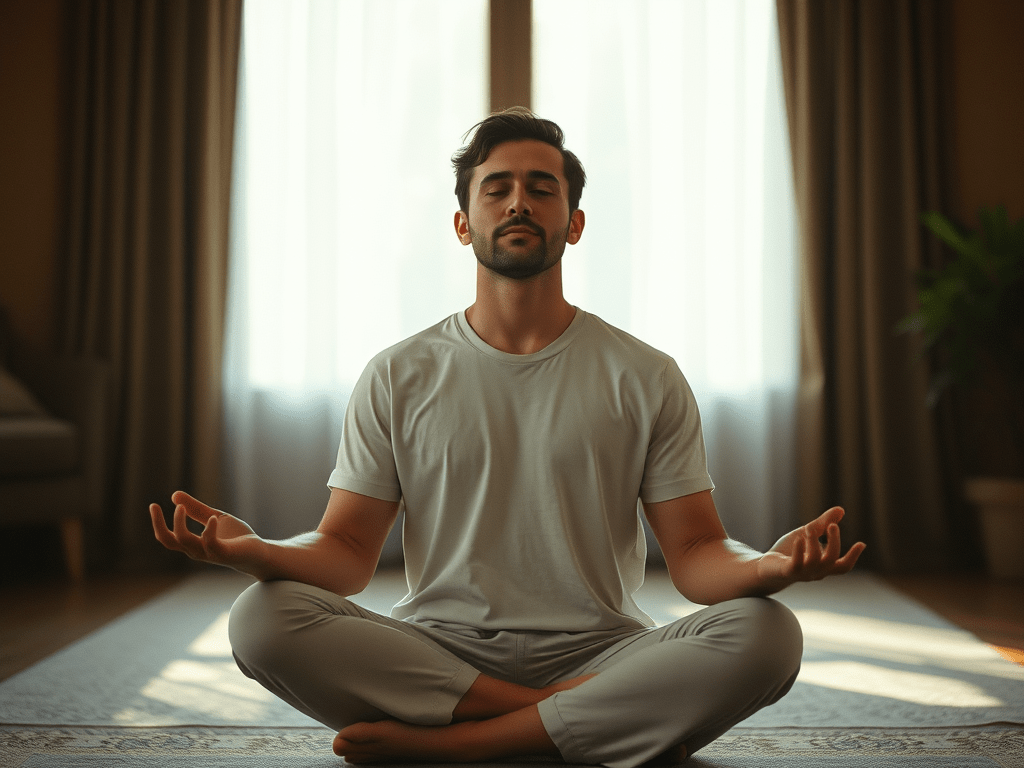
In this first post, I want to dive into the question, “Why Meditation Monday?” I’m sure some of you are wondering why I’d choose to write about meditation when there are so many other topics I could cover on a writing quest.
My First Thought Was “Motivation Monday”
When I first started this quest, I toyed with the idea of “Motivation Monday.” I thought it would be beneficial because many writers struggle with motivation. Plus, there’s no shortage of motivational resources, so I figured it’d be easy to adapt and share.
But after some self-reflection, I realized that “Motivation Monday” felt like I was throwing lists at people, hoping something would stick. Sure, motivational tips can be helpful, but when I struggled with writing, they often left me feeling down. I’d get a quick burst of inspiration, but when it faded, I was back to square one, searching for the next motivational boost instead of writing.
It wasn’t the motivational lists themselves that were the problem; it was the fleeting nature of the motivation they provided. I found myself constantly seeking others’ advice instead of figuring things out on my own. That’s a dangerous rabbit hole.
Why Meditation Monday?
As I thought about the content I wanted to create, I realized I didn’t want to be another voice in the motivational echo chamber. I wanted to offer something sustainable that could help my readers every day. That’s when it hit me: meditation.
Meditation has significantly impacted my life, and I believe it can help everyone. I’ll admit I hated meditation when I first started, so if you’re skeptical, I get it. In my next post, I’ll share my journey into meditation, including all the times I turned away from it before finally realizing its benefits.
I chose “Meditation Monday” because, when practiced consistently, meditation brings long-term benefits. Growing up, I was the youngest in my family and often relied on others for support and advice. While I’m grateful for my family, this reliance made me anxious and less confident in my own decision-making. Meditation and journaling have helped me break that habit, leading me to trust myself and find my own answers. I am now a much more confident person, and meditation was one of the tools I used to get there.
What Does It Mean to Meditate?
Meditation can mean different things to different people. According to Merriam-Webster, “meditate” means:
- To engage in contemplation or reflection
- To engage in mental exercise (such as concentration on one’s breathing or repetition of a mantra) for the purpose of reaching a heightened level of spiritual awareness
- To focus one’s thoughts on; reflect on or ponder over
- To plan or project in the mind; intend, purpose
Meditation encompasses a broad range of practices. Here are some meditation practices that I use or have used in the past:
- Breathing Techniques
- Guided Meditation
- Progressive Muscle Relaxation
- Mindfulness Meditation
- Gratitude Practices
- Visualization Meditation
- Creative Writing Meditation
- Mantra Meditation
How Long Does It Take to Meditate?
I used to think meditation required hours each day, which turned me off from using meditation as a tool. Now that I know better, I practice daily, ranging from 30 seconds to 15 minutes or longer.
How long I meditate generally depends on my time and energy; some days, I do not meditate at all. It varies based on my mood and needs. Taking breaks from meditation is okay, whether for months or days. Switching which meditation practice I do or taking breaks is also part of the process.
Best put, how long you meditate is entirely up to you. Look at your situation, listen to your internal and external struggles, and determine your time, energy, awareness, and ability to create a time for your meditation practice. It will likely be trial and error. Most importantly, ensure you have a time set aside where you won’t be interrupted so you can use the time seriously.
Which Meditation Practices Are the Most Effective?
When a therapist first recommended meditation to me, I did not want to take meditation seriously. Instead, I sought the “most effective” meditation methods that people suggested, usually to prove to my therapist that meditation didn’t work for me. If you have a similar mindset, then there will likely not be a “most effective” meditation practice for you. But if you are willing to try, you may find meditation helpful sometimes. One of the critical factors in making meditation work for you is having the willingness to believe that it will help.
The most effective meditation practice is the one you believe will work for you. I can share my experiences and what’s helped me, but ultimately, it’s about finding what resonates within yourself. If you approach meditation to prove it doesn’t work, it probably won’t. My best advice is to give meditation an honest try. You don’t need to be 100% on board or feel like you understand why or know what you are doing. You only need to let go and try. My first serious attempt at meditation felt pathetic, but it worked despite my low expectations.
I don’t have a magical solution for the “most effective” meditation practices, but I will share reflections on my own practices so that you can decide if they resonate with you.
How Do I Know If Meditation Is Helping?
Some days, the benefits are immediately noticeable. You might start a session feeling negative emotions and emerge with clarity or calmness. Matching the meditation to your emotions helps. For example, focusing on calmness can be beneficial if you’re angry or fearful. On days when I am very emotional, a single meditation practice has the most profound impact on my life. However, meditation practices can help beyond bad days.
Some meditation practices, when done consistently and repetitively, can lead to individualized enlightenment. These are the meditation practices I try to take on daily because the rewards are great, even though it is challenging to work through times when it appears as if progress is lacking. Most days, I don’t see a huge benefit in daily meditation because my mood is more stable now. Tracking emotions and outlooks on days you meditate versus days you don’t can reveal meditation’s long-term benefits. Meditation is often a long game. Weekly or monthly check-ins can make progress more noticeable. Sudden breakthroughs can make the sessions worth it, despite the frustration of not seeing consistent progress.
How Do I Get Meditation to Work for Me?
Meditation practices aren’t always easy. The meditation practices themselves aren’t hard to follow, but the excuses to avoid them are. It’s easy to think you don’t have enough time or your mind drifts too much. Even slight benefits from meditation are better than waiting for perfect conditions. Remember: my first attempt felt rather pathetic, and that’s okay. Just keep trying different types of meditation (or repeating the same one), and you will eventually find a rhythm.
My best advice to all is to give meditation a try. I am so glad I took meditation more seriously because it also helps me significantly as a writer: I can better collect my thoughts, work through turbulent emotions, and bypass writer’s block. Please watch for next week’s post, where I’ll share my turbulent 20s and how my meditation practices evolved alongside my willingness to try.
Wishing you all an introspective Monday,
B.R. Quinn


 B.R. Quinn